
Our Story
Our Family’s Two Cancer Journeys
We experienced cancer twice as a family. In 2017, Dad—Joel—was diagnosed with advanced colon cancer. Two years later, Mom—me—was diagnosed with breast cancer.
I walked alongside Joel through his cancer journey as his caregiver. Then I became the patient—navigating surgeries, treatment decisions, second opinions, and all the uncertainty that comes with cancer, while Joel cared for me.
Our journeys were very different, and so were many of the decisions we made along the way. I'm sharing both stories—not because our choices will be right for everyone, but because our experiences taught me so much about navigating cancer, asking questions, caring for the body, and ultimately learning to trust God with what I could not control.
Here is our story.
Joel’s Diagnosis
Colon Cancer, 2017
In August 2017, Joel began experiencing bouts of intense stomach pain. He went to the doctor and was sent for a CT scan. The diagnosis was diverticulitis.
Two months later, the excruciating pain returned, and Joel was rushed to the hospital. After another CT scan, a doctor told us they were preparing him for emergency colon surgery. Then, just a few minutes later, the doctor returned.
“We're going to slow down and reevaluate Joel's situation before jumping into surgery,” he said.
Once again, Joel was diagnosed with diverticulitis—this time with a possible perforation of the colon and an abscess. He spent a week in the hospital before being sent home with a PICC line to receive six weeks of strong intravenous antibiotics. A laparoscopic colon surgery was scheduled to treat what we still believed was diverticulitis.
When the day of surgery finally arrived, the procedure began taking much longer than expected.
I will never forget the look on the surgeon's face as he walked down the hallway toward me that November day.
“I'm sorry, but Joel doesn't have diverticulitis. He has cancer.”
With those few words, our family's world was turned upside down.
Joel had an adenocarcinoma on the left side of his colon that had grown through the intestinal wall and into the abdominal wall. It was advanced, perforated colon cancer, classified as pT4b. Cancer was found in one of the twelve lymph nodes that were removed. While we were grateful that only one lymph node was involved, there was significant concern because the tumor had perforated the colon and invaded surrounding tissue.
Joel was determined to fight the cancer with every resource available to him. Before beginning treatment, we sought multiple medical opinions from cancer centers around the country. The doctors we consulted strongly recommended chemotherapy and radiation because of the severity of his cancer.
I struggled with the idea of Joel's body enduring such difficult treatments. I was naturally drawn toward approaches that supported the body's health and healing and wondered whether there might be another way. But the medical opinions we received were sobering. When I asked an oncologist at MD Anderson Cancer Center what he thought about Joel foregoing chemotherapy, his response was unforgettable:
“Joel's case is so severe that I would chain Joel to a chair to do chemotherapy.”
Joel was also open to complementary and alternative medicine (CAM), but he felt strongly that he needed to pursue every treatment option available to him.
“We have to throw the entire kitchen sink at this!” he told me. “I will not be a good dad if I don't do it all.”
And that is exactly what he did.
As Joel began conventional cancer treatment, we continued researching complementary approaches that might support him along the way. His treatment included chemotherapy and radiation, and the year that followed was long and grueling, with treatments, setbacks, and several hospital visits.
By the end of that year, Joel's body was weary and worn—but his scans were looking good. After a year dominated by cancer, we finally allowed ourselves to hope again. We were catching our breath and beginning to enjoy life returning to normal.
Then, suddenly, I was diagnosed with breast cancer.
-
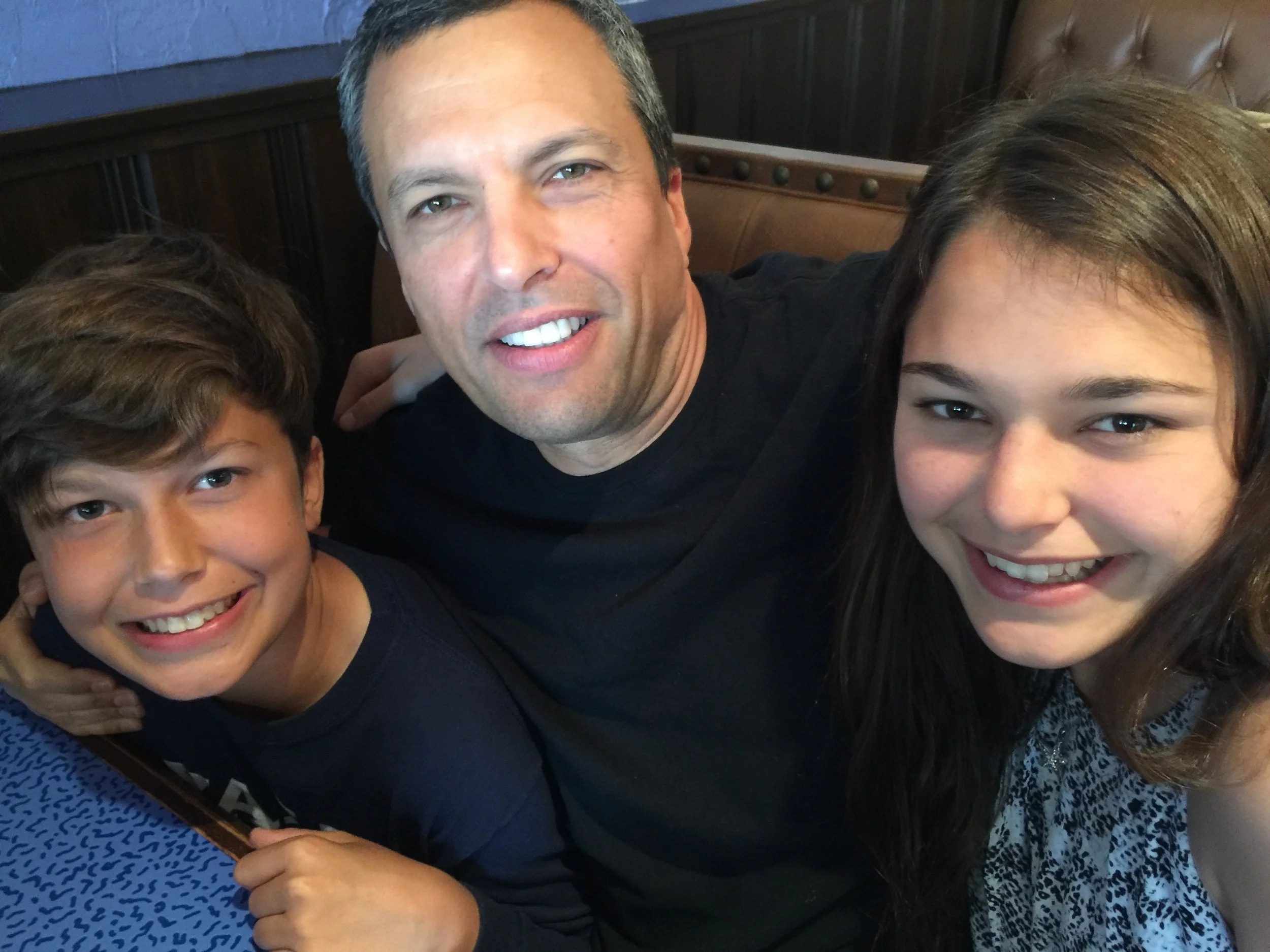
Celebrating Joel’s 50th birthday a few months before his shocking diagnosis. He had a family history of heart disease, but cancer was never on his radar.
-

Hannah kissing her dad during those first days. We experienced so many touching moments, and the love and support from our children meant so much to us.
-

In between Joel’s first hospital stay and his surgery, our boat sank in a tropical storm. We stared at the boat under water in disbelief.
-

It was a beautiful winter day when Joel came home from the hospital after his surgery. He was smiling and ready to put a plan together to get well.
JOEL’S Treatment Decisions

JOEL’S CHEMOTHERAPY EXPERIENCE
Joel started chemotherapy just after Christmas in 2017. It was almost two months after major abdominal surgery. He had seven grueling months of IV (intravenous) infusions of 5-FU (fluorouracil) plus leucovorin. Every oncologist we consulted with explained that Joel’s situation of having a perforated colon cancer absolutely required this regimen in order to have a chance of survival. As one study reveals, pT4 colon cancers carry the worst prognosis. https://pubmed.ncbi.nlm.nih.gov/24347179/
This study shows that adjuvant (treatment that happens after surgery) postoperative treatment with 5-FU and leucovorin in curatively resected colon cancer significantly reduces the risk of cancer recurrences and improves survival. https://pubmed.ncbi.nlm.nih.gov/12598344/
Both of these studies explain why every oncologist recommended the same treatment for Joel.

Here are some experiences Joel had during treatment:
Joel was extremely ill during his treatments with nausea, insomnia, pain, and multiple side effects.
Joel started on medical cannabis, and it was a game-changer. His symptoms lessened to the point that we threw away multiple medications, and he used the cannabis instead.
Joel was hospitalized multiple times for bowel obstructions and other difficulties. Chemotherapy had to be stopped once because of a bowel obstruction.
Joel developed what looked like a water balloon on his lower back. An MRI revealed an area of inflammation, but fortunately no tumor. Chemotherapy had to pause during this time.
Joel’s CEA (carcinoembryonic antigen) tumor marker increased. One evening we received a call from the oncologist that he was immediately ordering a PET scan because Joel’s CEA jumped up. It was the first time we experienced the use of a tumor marker to monitor treatment progress. The PET scan revealed an area of concern at the base of his neck, so he had a brain scan. Fortunately, the brain scan was clear, so chemo resumed.
The roller coaster ride continued; after a second opinion at Sloan Kettering, Joel endured radiation and another round of chemotherapy.
Altogether, it was almost a year of treatment. Joel admitted later that had it not been for our family, he would have stopped after the first few chemo treatments.
JOEL'S RADIATION EXPERIENCE
Joel’s local oncologists were unsure of whether or not to recommend radiation when he was first diagnosed. Radiating the tumor bed (the tissue that previously surrounded a tumor before it was surgically removed) could be risky. Radiating Joel’s tumor bed meant radiating his bowel wall, which would create future cancer risk, more possible adhesions (in addition to those created during surgery), and greater chance of bowel blockages, which Joel had been experiencing.
Chemotherapy was the first focus, and it was a very difficult series of chemo treatments. Toward the end of chemotherapy, we began having discussions with Joel’s oncologist again about the possibility of radiation. We already had a second opinion from MD Anderson, which was a no. Even though they felt Joel needed radiation, they felt the risks outweighed the benefits. Joel’s local oncologists were undecided, so getting a third opinion from Memorial Sloan Kettering in New York was suggested. Read ”Second Opinions“ for more.
The doctor and medical team at Sloan Kettering thoroughly examined Joel, and the team felt initially that radiation was not necessary. The doctor went a step further and wanted to bring Joel’s case before an oncology committee the following week, just to be sure.
We arrived home and were so happy to be putting this cancer journey behind us. On an evening about two weeks later, Joel and I were sitting on the couch when my phone rang. It was the radiation oncologist from the medical team at Sloan Kettering. He had an alarming tone in his voice. He explained that the oncology board had closely examined Joel’s case and felt that radiation was absolutely necessary for his survival. They not only recommended radiation, but they wanted it to begin immediately. Alongside the radiation, they prescribed another round of chemotherapy (this time oral). We were stunned. It seemed unreal that this was happening. He encouraged us to fly back to Sloan and begin radiation right away. Joel asked if there was any way to do the radiation at our local cancer center, rather than go to New York for two months of treatment. What happened next was an amazing gift. He offered to discuss their radiation protocol with Joel’s local radiation oncologist the next morning. And that’s exactly what happened — two doctors comparing notes so Joel could do the treatment at home.
Joel began six weeks of radiation coupled with chemotherapy. We went Monday through Friday for six weeks. Joel had an advanced form of radiation therapy that allowed his oncologist to customize the radiation dose by modulating or varying the amount of radiation given to a specific area (the tumor bed) of Joel's abdomen. The radiation intensity was adjusted and the treatment was targeted. This allows the radiation to be aimed at a certain area — with more radiation delivered to the tumor cells and less directed at normal cells nearby. The amount of radiation was 50 Gray (Gy). Data indicates that postoperative radiation in Joel's kind of situation improves survival. https://pubmed.ncbi.nlm.nih.gov/8876884/


We were blessed to be able to bring the whole family with us when we visited New York City for a second opinion from Memorial Sloan Kettering.

On the last day, Joel rang the “hope bell” and everyone cheered, especially Joel. We walked out of the cancer center for what we hoped would be the last treatment.
Here is additional research Joel reviewed to make the decision to do radiation:
https://pubmed.ncbi.nlm.nih.gov/3943031/ https://pubmed.ncbi.nlm.nih.gov/16562650/ https://pubmed.ncbi.nlm.nih.gov/8556716/ https://pubmed.ncbi.nlm.nih.gov/8501497/ https://www.semanticscholar.org/paper/Adjuvant-continuous-infusion-5-FU%2C-whole-abdominal-Fabian-Giri/d998136ae49ef6a215b546498b6ed986d87afc73
On the last day, Joel rang the “hope bell” and everyone cheered, especially Joel.
TIME TO CELEBRATE
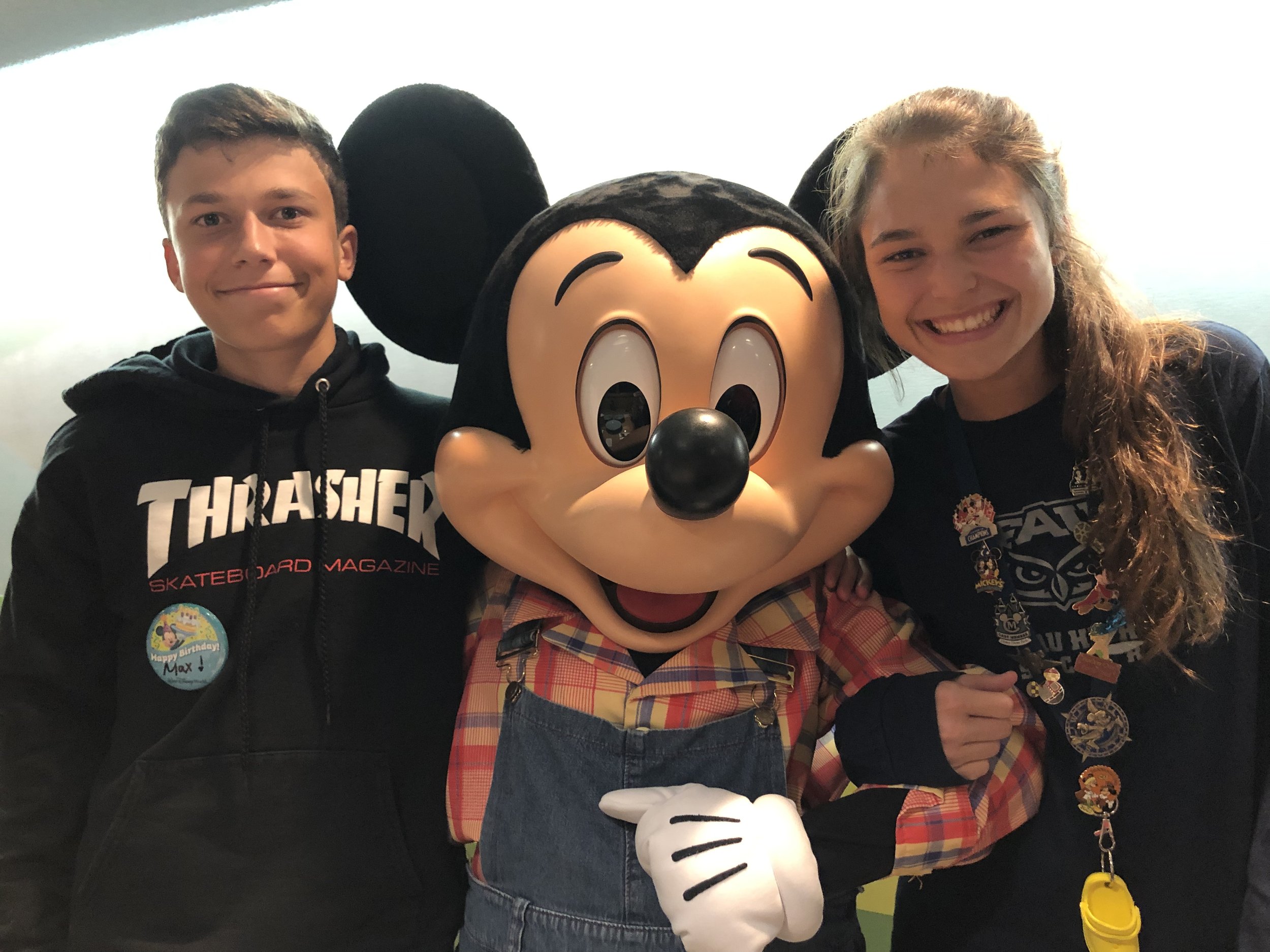
In 2018, after Joel finished a year of treatments, we celebrated as a family at Disney. It was time to have fun and praise God for his healing.
We never expected cancer to be the story of our family. I don't imagine that anyone ever does. But it is our hope and prayer that our journeys will bring glory to God and give hope to others walking the same path.
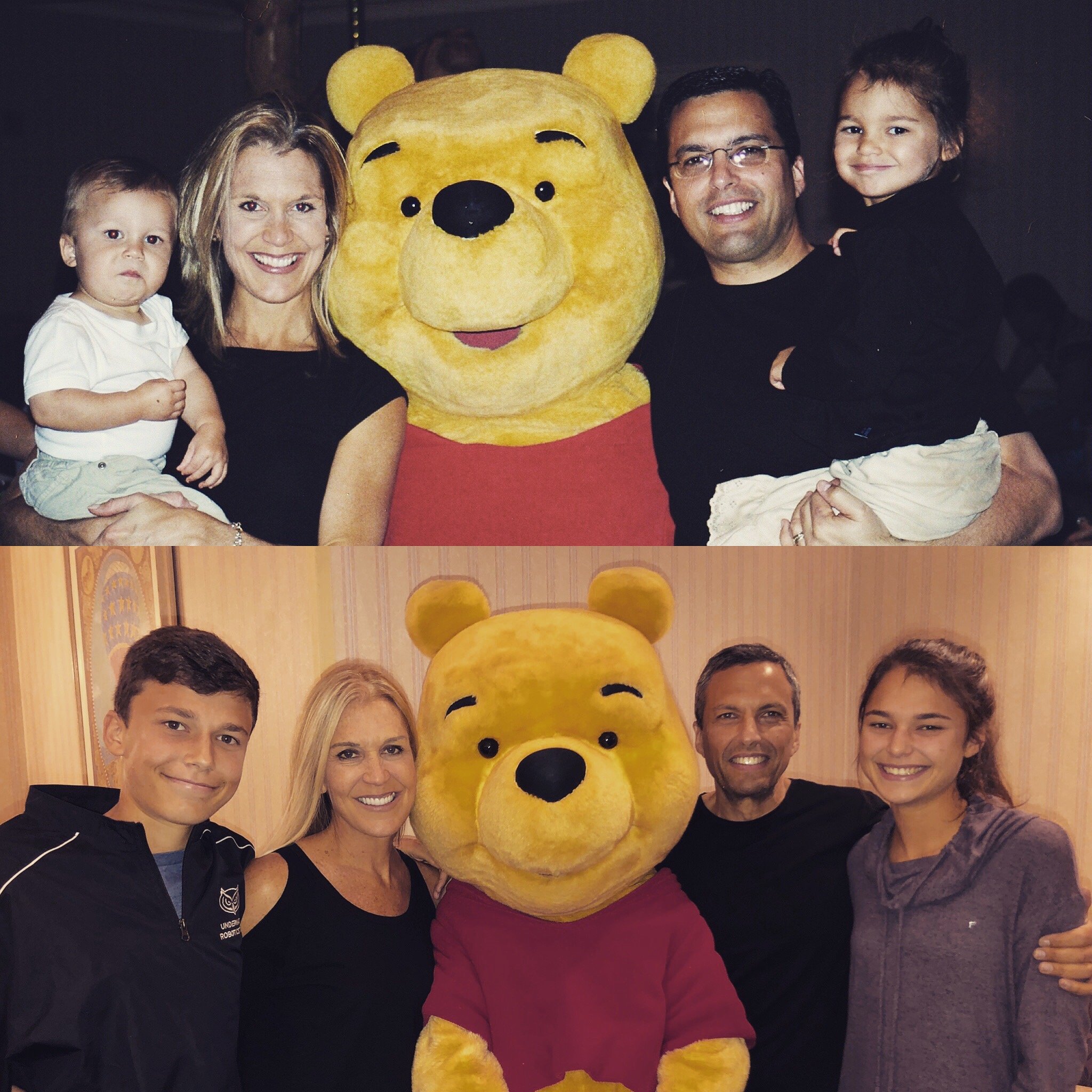
Celebrating the end of Joel's cancer treatments and reinacting a photo from 15 years earlier.
Breast Cancer, 2019
In 2019, I felt a lump in my left breast. A mammogram and ultrasound were highly suspicious for cancer, even though my annual mammogram had been clear just ten months earlier.
The initial biopsy showed no cancer, but my surgeon wasn't convinced and recommended a lumpectomy. I honestly didn't believe I could have cancer.
But he was right.
The lumpectomy revealed invasive ductal carcinoma (IDC). One month later, I underwent a double mastectomy and sentinel lymph node biopsy. Initially, we were told the two lymph nodes removed were cancer-free, but final pathology revealed cancer in one of them.
Because I chose not to undergo another surgery to remove additional lymph nodes, I had to live with some uncertainty about whether the cancer had spread farther.
I remember my radiation oncologist asking if I could live with that uncertainty.
“YES!”
I was determined to do everything I could to move toward optimal health.
But more uncertainty followed. A PET scan showed an area of concern in my pelvis. As I sought second opinions, I heard frightening descriptions of my cancer. Then genetic testing brought another shock: I carried an inherited cancer-predisposition gene. I was the first person in our family to discover that we carried it. Read “Cancer Gene Shocker” for more information.
Because my cancer was hormone-sensitive, my doctors strongly recommended removing my ovaries to reduce estrogen production and address my inherited risk of ovarian cancer. After consulting with my medical team, I ultimately underwent a total hysterectomy with removal of my ovaries in January 2020—just months after my lumpectomy and double mastectomy.
Looking back, I wish I had slowed down.
I went through three major surgeries within a very short period of time.
Julie’s Diagnosis

The radiologist called it a "Category 5", which meant there was a 97% chance of cancer. (See image from the report below)

At first, I hadn't believed I could possibly have cancer. I had spent much of my life focused on health and nutrition. When the diagnosis became real, I wasn't thinking clearly. I was overwhelmed by the reality that cancer had now affected both of us.
As I considered what to do next, I was drawn toward complementary and alternative medicine (CAM). After consulting with my doctors and seeking multiple opinions, I decided against chemotherapy and radiation. The decision about whether to take the recommended endocrine therapy (hormone-blocking drugs) was one of the most difficult decisions of my cancer journey. Visit the Conventional Treatment page to learn more.
I committed to a wide range of holistic therapies — everything from mistletoe therapy to high-dose IV vitamin C. I wanted to get to the root of why cancer was able to grow inside my body.
My diagnosis shook me to my core because I have dedicated my life to teaching health and nutrition. Healthy living was a huge part of my identity, and to receive a cancer diagnosis when I have worked to be so healthy shattered me. As a self-proclaimed, recovering perfectionist, I combed through my life, searching for the source of my cancer. I felt that if I could weed it out, then I could protect my family from anything like this ever happening again.
Along the way, I discovered many areas where I could live more naturally and holistically. I made changes, learned to care for my body differently, and became healthier in many ways.
But in the years that followed, God would show me that the most significant change I needed to make wasn't physical at all.
It was spiritual.
-

Joel and me in Austin, TX, the day after my biopsy. The biopsy showed no cancer, but my surgeon wasn't convinced and scheduled surgery when we returned home.
-
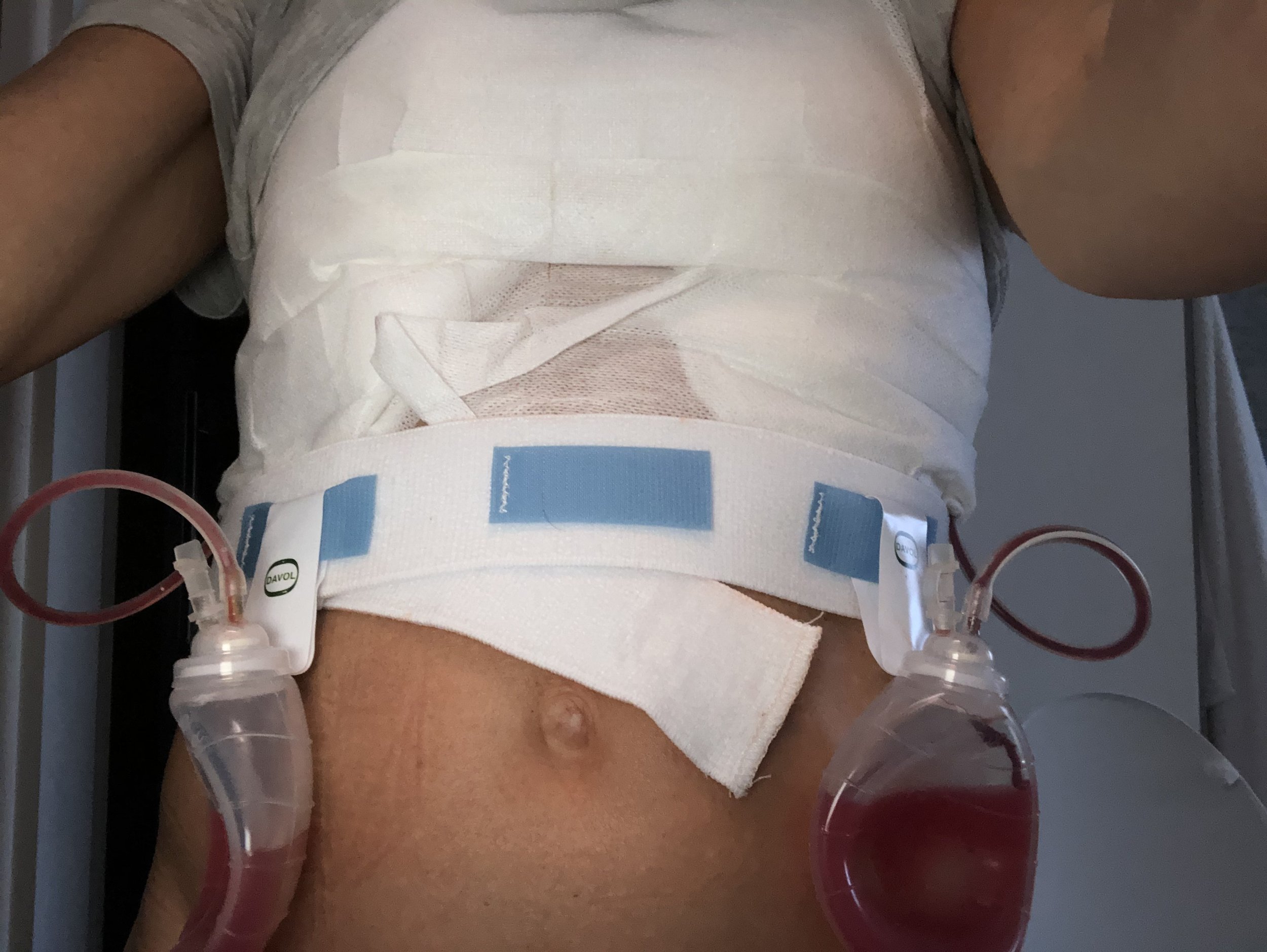
After my double mastectomy, Joel emptied my drains and tracked the fluid for my surgeon. I appreciated him caring for me!
-

I still can't believe I check the cancer box on medical forms. Now, each time I do, I pray for others facing cancer.
JULIE’S Treatment Decisions

MY DECISION NOT TO DO CHEMOTHERAPY
My oncologist explained her chemotherapy protocol for my case — which included numerous drugs being administered intravenously for 12 weeks. The thought of facing chemotherapy would have been hard enough in and of itself, but having just been through what we had with Joel, it was just unimaginable for me. Still, I did my homework on what this would mean for me.
According to this study, 70% of women with early-stage breast cancer do not benefit from chemotherapy. Even if I was not early stage, other studies showed only a 2-3% benefit in survival for someone like me, who was pre-menopausal with node-positive disease. To me, that was not worth doing chemotherapy.
Since I fit into most of the categories below, I felt good with the decision not to do chemotherapy. The hard part of the decision was that I had a fast-growing and poorly differentiated tumor, grade 3, with lymphovascular and perineural invasion; which meant the tumor had vascularity, or blood vessel involvement. One of my doctors called it an "angry" tumor. I had to consider these things when making my decision.
I studied my surgical pathology report carefully to understand the cancer before moving forward with any decisions.
MY surgical PATHOLOGY REPORT
I was diagnosed with IDC (invasive ductal carcinoma), which is a cancer that began growing in a milk duct and invaded the fibrous or fatty tissue of the breast outside of the duct. IDC is the most common form of breast cancer, representing 80% of all breast cancers.
The tumor was Nottingham Grade 3. Grade 3 (poorly differentiated) has a worse prognosis and means that the cancer cells look very different from normal cells. They grow and spread quickly in disorganized, irregular patterns. One oncologist explained it this way, "Sometimes cancer is like a baseball in a bush; but, Julie, your cancer is like a bush in a bush." I was also completely shocked when genetic testing revealed I possessed a gene that causes breast and ovarian cancer. I was the first one to learn that our family carried this gene. Read “Cancer Gene Shocker” for more.
The tumor was just under two centimeters.
I was positive for ALI (angiolymphatic invasion), which means that the cancer was found in the blood and lymph vessels. The lymph vessels in the breast are connected to the body’s entire lymphatic system. When the cancer spreads to the lymph and vascular system, it is called LVI (lymphovascular invasion).
I was positive for PNI (peripheral invasion), which means that the cancer invaded the surrounding nerves.
The Ki-67 was 20%. Ki-67 is a special stain that gives a sense of the aggressiveness of a tumor. A result of less than 6% is considered low, 6-10% intermediate, and more than 10% is considered high.
The tumor was 90% estrogen (ER) positive and 90% progesterone (PR) positive. (See “My Hormone Therapy Indecision” below to learn more.)
ER-positive (ER+) tumors have estrogen receptors. 90% of cells stained positive.
PR-positive (PR+) tumors have progesterone receptors. 90% of cells stained positive.
Hormone-positive breast cancers can be treated with hormone therapy drugs that lower or block estrogen receptors. My surgical report stated, “Hormone receptor-positive cancers tend to have a better outlook in the short-term, but these cancers can sometimes come back many years after treatment.”
The tumor was HER2 IHC negative. IHC (Immunohistochemistry) measures the amount of HER2 protein present. HER2 is a protein called human epidermal growth factor receptor 2 (HER2) that helps breast cancer cells grow quickly.
The pathology (p) staging was pT1c, NX. T1c is a tumor (T) that is more than one centimeter (1c), but no more than two centimeters. NX means that the lymph nodes (N) were not yet evaluated (X).For more information on breast cancer staging, visit cancer.org.
The margins were not clean, so a further surgery was encouraged to explore lymph node involvement.
Here are the early-stage breast cancer identifiers that helped confirm my decision to decline chemotherapy:
Tumors between one and five centimeters - mine was under 2 cm (centimeters).
No cancer in the lymph nodes - I had one positive lymph node out of two removed (this was the issue in not knowing the extent of spread. They thought that both of the lymph nodes removed were negative, but unfortunately one came back positive.)
Estrogen receptor-positive cancer - mine was 90% ER and 90% PR.
HER-2 protein negative cancer - I did not have HER2-positive cancer.
Oncotype DX and MammaPrint are genomic tests done specifically on a group of genes in a cancerous tumor to determine a patient's treatment recommendation. I had both of these tests done.
Oncotype DX Breast Cancer Assay test score between 11-25 - my score was 18 so my oncologist ran another test called MammaPrint.
MammaPrint test - my score was favorable. This result was good news! It meant that my body terrain was favorable for not having a recurrence or metastasis.
Before making this all-important decision, I sought second opinions from both Miami Cancer Institute and Memorial Sloan Kettering as well as a second local oncologist. Read “Second Opinions” for more.
The Miami Cancer oncologist strongly recommended radiation and agreed with my oncologist that I should take hormone therapy for ten years, especially since I had decided against chemotherapy.
The Sloan Kettering second opinion was during Covid. I was able to get a second opinion virtually, but the appointment took longer than usual to schedule. As time elapsed and I was waiting for my virtual appointment, I was coming to a firm conclusion about not doing chemotherapy. During the appointment, the oncologist strongly advised that I do chemotherapy, radiation, and take the hormone drug for ten years. I had already made a decision in my heart not to do chemotherapy, but their strong recommendation definitely made me think carefully through my radiation and hormone drug decisions.
Another local oncologist in my home town said that he was concerned about me not doing chemo, radiation, and hormone therapy because I was pre-menopausal before cancer and my Ki67 was more than 20%.
What all of my research on chemotherapy as an option did was make my motivation to live healthier and get my stress under control even greater. I am so confident in the decision I made and the progress I have made. That ended up being my best treatment.

MY DECISION NOT TO DO RADIATION
Although radiation was recommended for me, I chose not to do it. I came to that conclusion based on my own research and from what I learned about the possible side effects. I didn’t make this decision lightly.
I studied my surgical pathology report once again to understand the cancer before moving forward with any decisions. See the surgical pathology report section above.
My RADIATION ONCOLOGIST
I had come to know and trust Joel’s radiation oncologist, so I was able to request a change from the radiation oncologist assigned to me, and work with him instead. I saw him three times in order to ask more and more questions before making the decision about whether or not to do radiation.
He explained that radiation was a good option for me, even though I had a double mastectomy. This was true in my case because there might still be cancer in my remaining lymph nodes. During my surgery, the surgeon removed the first sentinel lymph nodes, and the initial biopsy indicated that cancer had not spread to either of those lymph nodes. Several days later, pathology showed that the cancer had spread to one of the two lymph nodes removed. Because I didn't have a full axillary lymph node dissection, I was faced with not really knowing if or how far the cancer had spread. I decided against doing a second surgery to remove more lymph nodes.
The radiation oncologist actually thought another surgery to remove more of my lymph nodes was possibly a good idea, and he strongly encouraged us to get a second opinion on this. Every appointment was like that for us. We took the information doctors provided us, researched it thoroughly, and always sought another opinion. It was tiring, but worth it.
He confirmed my long list of concerns about possible side effects: secondary skin cancer, blistering and peeling, increased inflammation, damage to the mitochondria, lung and heart disease (short and long-term), pneumonia or a cough that would require steroids for many months, and even death.
The tumor was on my left side, and studies show that the radiation risks could be even greater in cases with left breast cancer. The effects were often long-lasting, even up to ten years after diagnosis. https://pubmed.ncbi.nlm.nih.gov/23484825/ https://ascopubs.org/doi/10.1200/JCO.2005.05.1037 https://ascopubs.org/doi/pdf/10.1200/JCO.2006.09.6420 https://erj.ersjournals.com/content/23/1/9
What is even more concerning is the small risk of developing a second malignancy, called angiosarcoma, in the breast following radiation. https://pubmed.ncbi.nlm.nih.gov/14528072/
None of that sounded worth it to me, especially because my focus was to get my body in the best possible health so cancer could never grow again.
On my final visit, my radiation oncologist reviewed the side effects once more with me, and we filled out scenarios specific to my case on a tool that both MD Anderson and Sloan Kettering have online, called the Breast Cancer Nomogram. The software calculates the probability of finding additional positive lymph nodes in breast cancer patients like me.
MD ANDERSON PREDICTOR
http://www3.mdanderson.org/app/medcalc/bc_nomogram2/index.cfm?pagename=nsln
MEMORIAL SLOAN KETTERING PREDICTOR
http://nomograms.mskcc.org/breast/BreastAdditionalNonSLNMetastasesPage.aspx
The scenarios helped us get an idea of my chances of recurrence, which totaled about 20%. If I did radiation, it would reduce my chance of recurrence to 5%. The two reasons this radiation decision was so difficult were because of my unknown lymph node situation and because I knew I wasn’t willing to take the hormone blocker drug long term. I ended up taking only one drug, called Letrozole, every other day for nine months, and then I stopped. Mentally, it wasn’t the right thing for me.
One thing that continued to bother me, besides all of the scary side effects, was that although radiation can kill some cancer cells, it does not kill all. I sat quietly thinking through everything.
Then the doctor looked at me and said, “It’s up to you. Can you live with a 20% chance of recurrence?”
Without hesitation, my response was, “Yes. Especially because I am fully committed to taking great care of myself with diet, hydration, exercise, de-stressing and sleep.”
He accepted my answer without any argument.
It was definitely a risk for me not to do radiation, but I felt in my heart the risks of doing it would be greater. I often think about my decision and what the lasting side effects would have been had I chosen to do radiation. Because I don’t have to deal with the aftermath on a day to day basis, it makes me extremely thankful that I chose to heal the terrain of my body.
MY HORMONE THERAPY “INDECISION”
Many forms of cancer, particularly breast cancer, are hormone driven. When breast cancer is discovered, the breast tumor is tested for two proteins, called hormone receptors. These receptors are: estrogen (ER) and progesterone (PR). The cancer will be identified as either estrogen receptor (ER) and/or progesterone receptor (PR) positive or negative. A cancer that is found to be positive for these proteins is called hormone-receptor-positive breast cancer. This means that the cancer can be fueled by estrogen and/or progesterone hormones.
Because my tumor was ER+ and PR+, a long-term hormone therapy (5-10 years) was recommended as treatment with a drug that blocks hormone production like tamoxifen, letrozole, or another aromatase inhibitor. Tamoxifen can be used whether a woman is premenopausal or postmenopausal. But only postmenopausal women can take an aromatase inhibitor (called AIs), which is a class of drugs like tamoxifen. AIs work by stopping a key enzyme (called aromatase) from changing other hormones into estrogen. The idea is that if your body is no longer making estrogen then it “starves” the cancer, stopping or slowing the growth. This growth can be in the original breast cancer or in any cells that escaped to other organs in the body such as bone, liver, lung, etc. The most common AIs are letrozole (Femara), anastrozole (Arimidex), and exemestane (Aromasin). Women with metastatic breast cancer are encouraged to take different hormone therapy drugs.
Whether or not to take a hormone blocker (endocrine therapy) was definitely the hardest decision on my cancer journey.
In between my surgeries, I had a PET scan, which showed an area of concern in my pelvis. After meeting with a gynecological oncology surgeon, he confirmed that there was a large cyst in my cervix. He suggested doing a total hysterectomy as soon as possible.
All of the oncologists were strongly recommending at least an oophorectomy (removal of ovaries), which would force me into menopause and stop the estrogen flow, as well as remove the risk of an ovarian cancer diagnosis down the road due to the gene. In addition to the oophorectomy they were emphatic that I needed to take the hormone blocking drug. The following information corroborated what the doctors said. A 2011 study found a 50% increase in overall survival for ER+ breast cancer patients who had an oopherectomy and took the hormone drug. https://pubmed.ncbi.nlm.nih.gov/18086800/
The whole team of oncologists and doctors felt that a total hysterectomy would be a good decision. I underwent a total hysterectomy in January of 2020, just two months after my lumpectomy and double mastectomy. Not only did the pathology come back clean, but the mass was completely gone. No cancer was found in my cervix.
My oncologist said that if I was not going to do chemotherapy or radiation, I had to take the hormone drug (letrozole) probably for ten years. She said, "Julie, you had an aggressive tumor. If you don't take the hormone drug and the cancer returns, I cannot save you. Especially since you are not doing chemotherapy or radiation." I got opinions from other doctors and oncologists, and they were all the same — take the hormone blocker, or you greatly increase your risk of recurrence, metastasis, or death.
This made the decision very difficult. The other factor complicating the decision was that Joel also had cancer. Otherwise, I think it would have been easier to say no. I just knew I didn't want to make a foolish decision. I picked up the recommended hormone drug at the pharmacy and carried it around in my purse. I just couldn't imagine taking it. I had read the pharmacy pamphlet describing the side effects: bone and joint pain, faster aging, carpel tunnel, trigger finger, hair thinning, osteoporosis, hot flashes, fatigue, depression, vaginal dryness, pain during sex, difficulty sleeping, and the list goes on. It sat in my purse for three months as I continued to agonize over the decision.
I wanted to regulate my hormones naturally, and I felt like this drug would prevent me from getting my body into optimal health. I am the kind of person who will make the changes necessary to get to the root problem. In this case, it was reducing excess estrogen in my body. For some reason, I had a high level of hormones circulating in my body. I don't know if this high level was due to the fact that I hadn't reached menopause yet, or if my body wasn't getting rid of excess estrogen effectively, so it was recirculating in my body. I started researching and learning how to rid my body of excess hormones and how to achieve hormonal balance.
I made an appointment to see a holistic MD who was very well known in the cancer community. I just wanted him to tell me it was okay for me not to take the drug. After reviewing my records, he told me to get the hormone drug out of my purse and take it immediately. So I did. I reluctantly took the drug every other day for nine months, and then I discontinued. I stopped, but not because I was having terrible side effects (which is often the reason people stop). Instead, I hated the idea that this hormone blocker kept my body from getting the proper amount of estrogen every day. I knew it wasn’t natural. I was doing everything I could to work toward optimal health, and I was already well on my way on the hormonal-balance journey. It was a hard decision to stop, but mentally it was the right one for me.
At every follow-up appointment, my oncologist reminds me that I am foolishly risking my life with the decision not to take the drug. I’m thankful she still monitors me, even though I go against her recommendations. I am fine with her scolding me, and she is fine with me sharing all of the holistic things I am doing. She seems intrigued, but not overly excited.
I know I am taking a risk, but I am more determined than ever to teach my body to maintain proper hormone balance and get rid of the excess estrogens. See the Tests page to learn more about balancing hormones in natural ways.
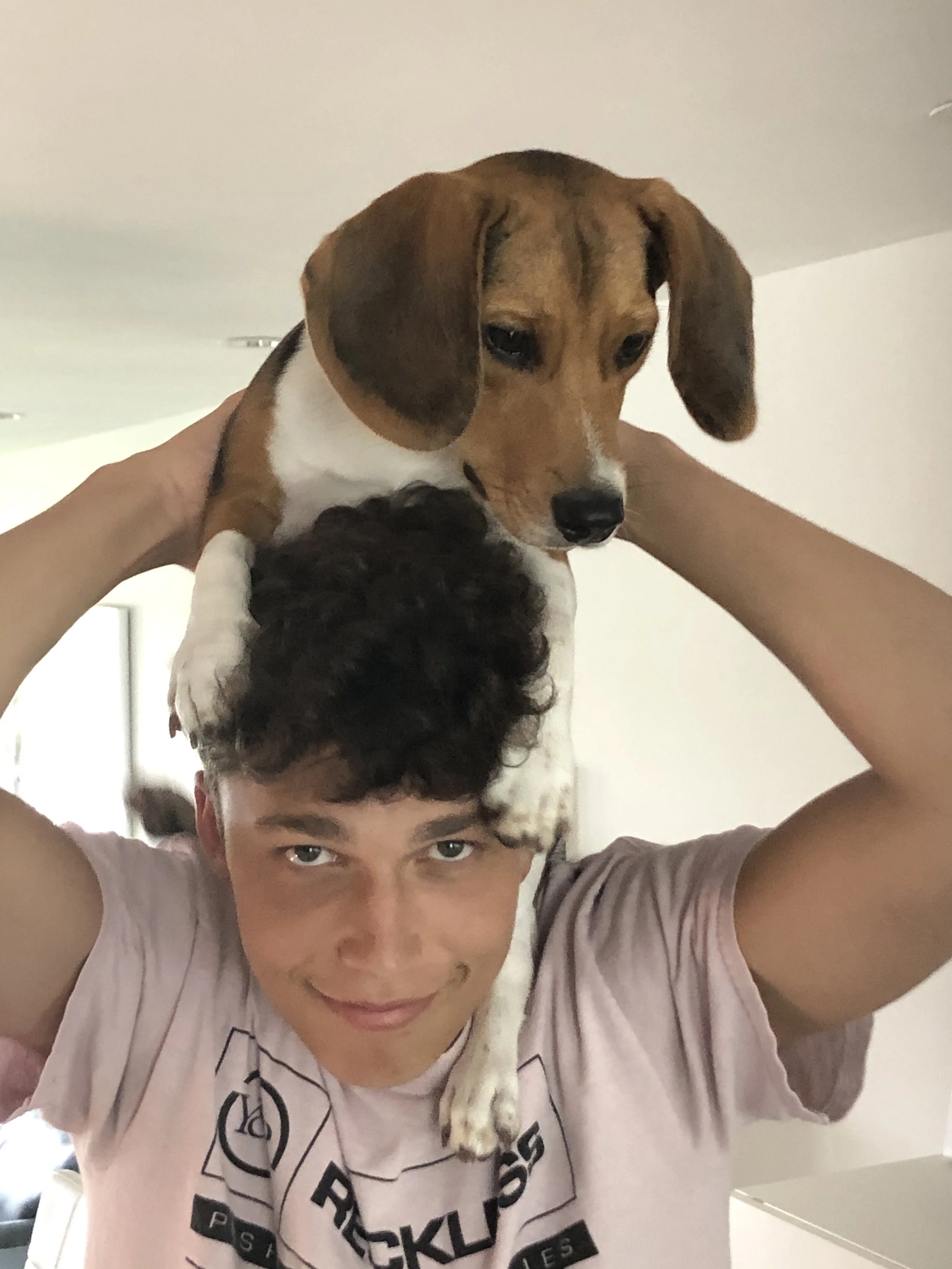
chuck the beagle
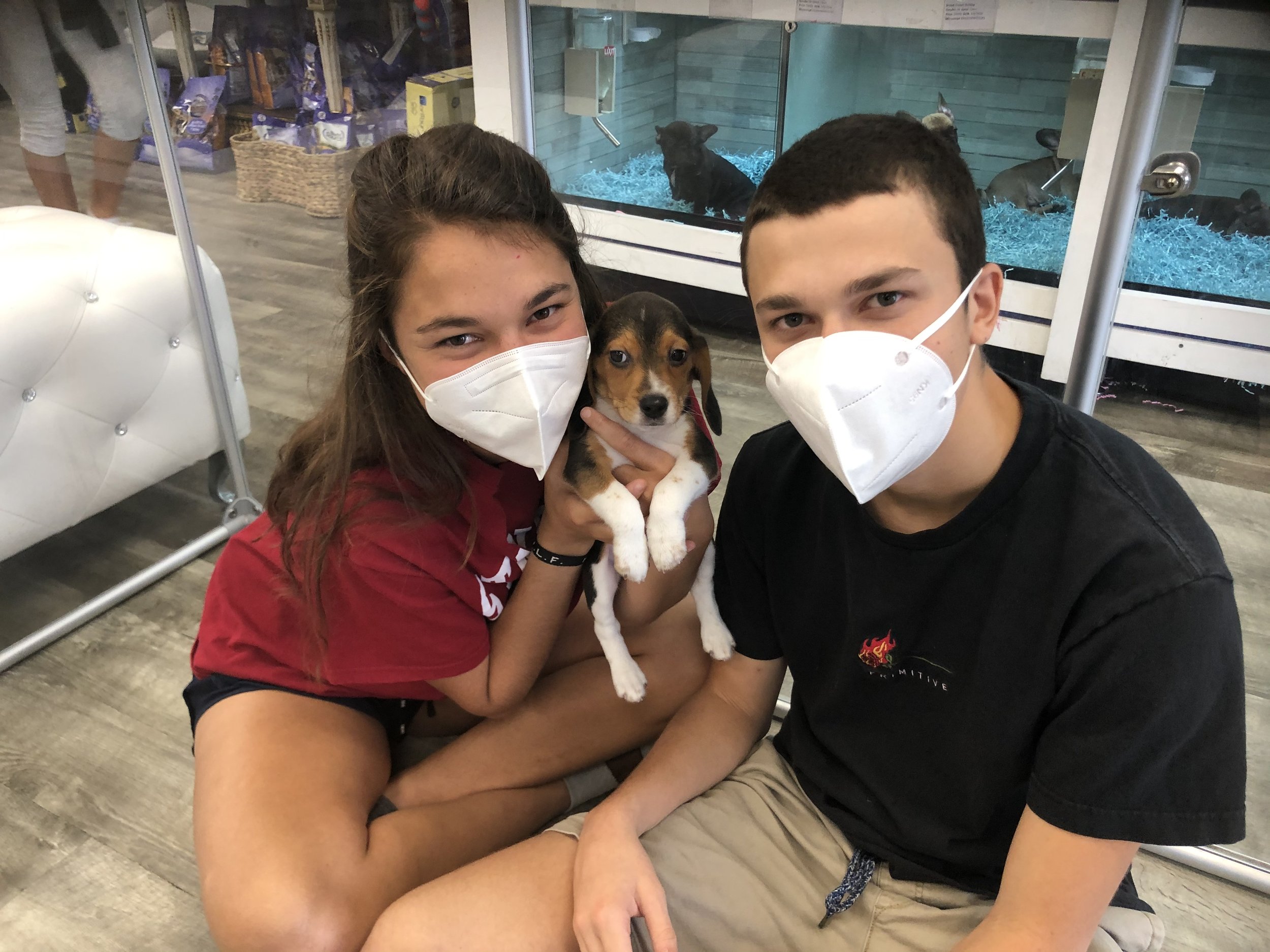
In 2020, during COVID, Joel and I were pursuing several CAM (complementary and alternative medicine) treatments, and our family needed a break from the heaviness of cancer. The kids had been asking for a dog since they were little, so one morning we woke them up and said, “Let’s go buy some happiness!”
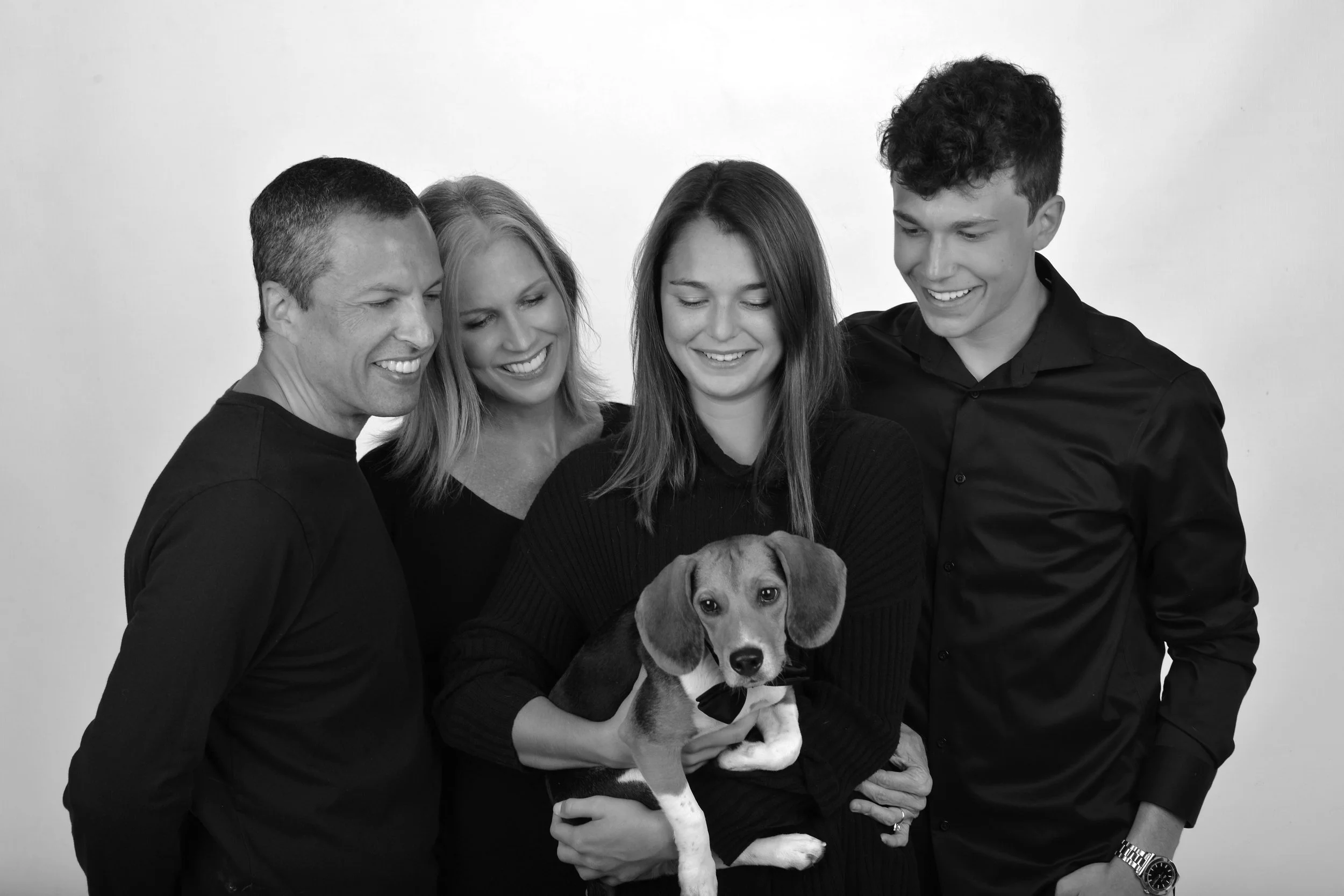
That was the day Chuck the beagle joined our family. He brought so much joy during a difficult season and quickly became the missing piece of our family.
What we Learned As Parents
We never imagined our children having to walk through one cancer diagnosis, let alone two. Looking back on those years, here are some things I would encourage other parents facing cancer in their family to consider:
Lean on the Lord — Pray with your children and encourage them with God's Word.
Listen and love — Give them space to share their feelings. Listen, reassure them, and hug them often.
Provide healthy outlets — Encourage activities that help them process their emotions. Hannah began painting, and Max joined her at times. (See gallery below.)
Consider counseling — Professional or family counseling can provide valuable support, even if you're unsure whether it's needed.
Surround them with support — Lean on trusted friends, family, church, and youth leaders who can encourage them.
Prioritize quality time — Spend time together and laugh as much as possible. We played games and watched funny movies often.
It always does.
Hannah's gift to Joel after his surgery.
One of my favorite reminders from Hannah.
Hannah gave this to both of us.
Hannah's gift to Joel during chemo.

Hannah's Christmas gift to me in 2019.
So true!
One of our favorite verses!
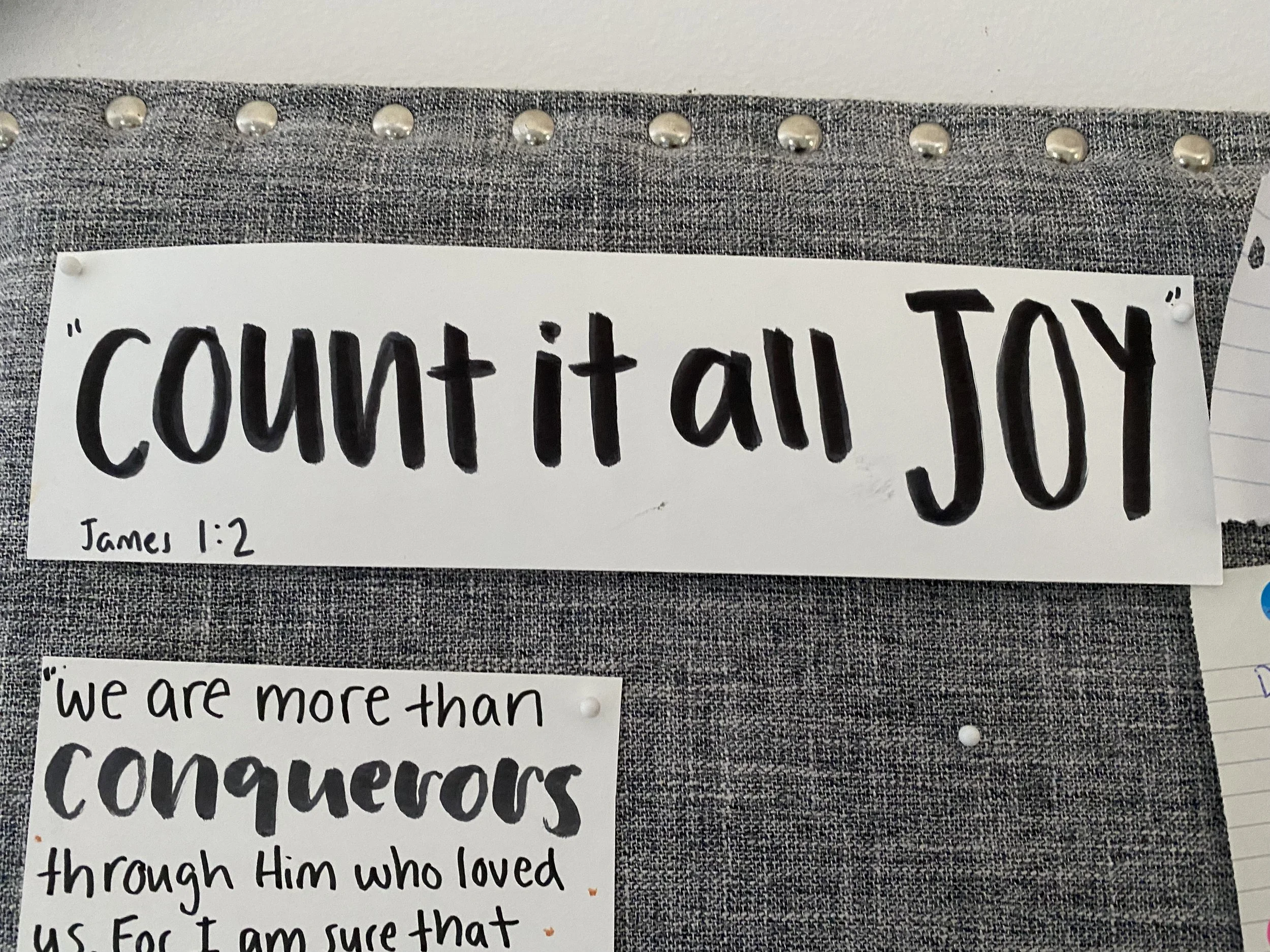
Hannah's pin board in her room is always a treasure box of encouragement.
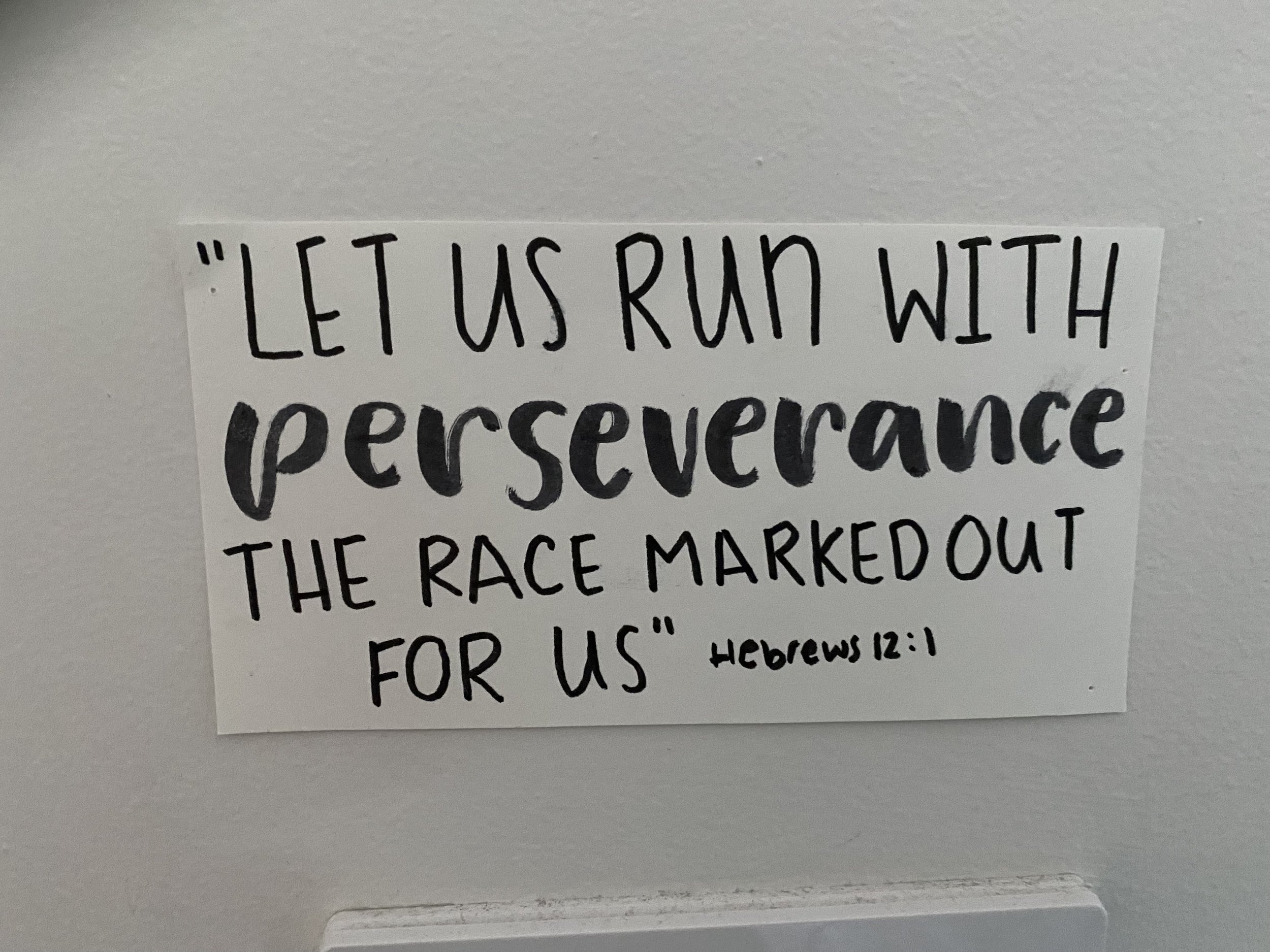
Yes! Let's go!

Hannah gave this to Joel in the hospital.
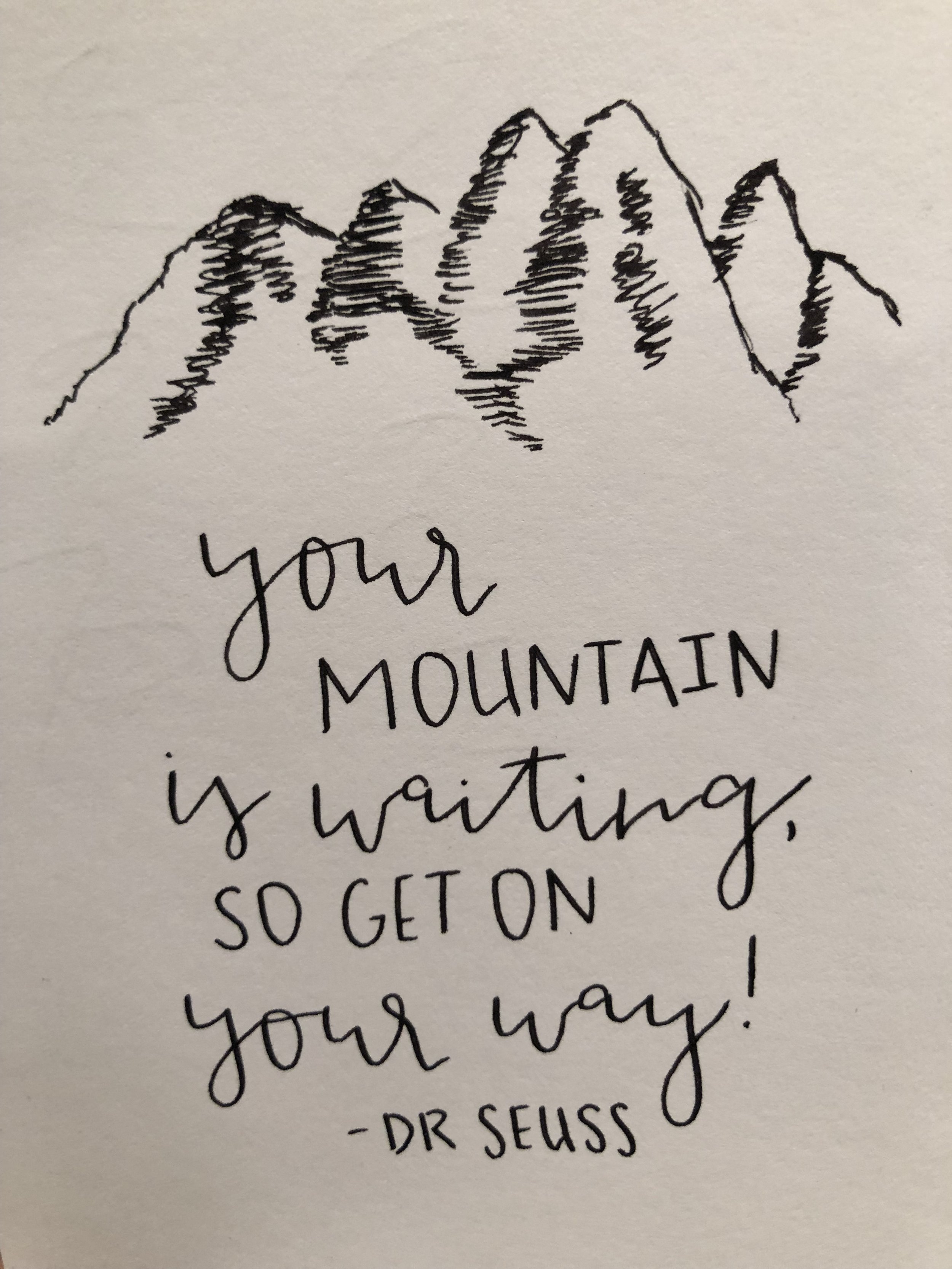
Encouragement in the valley.
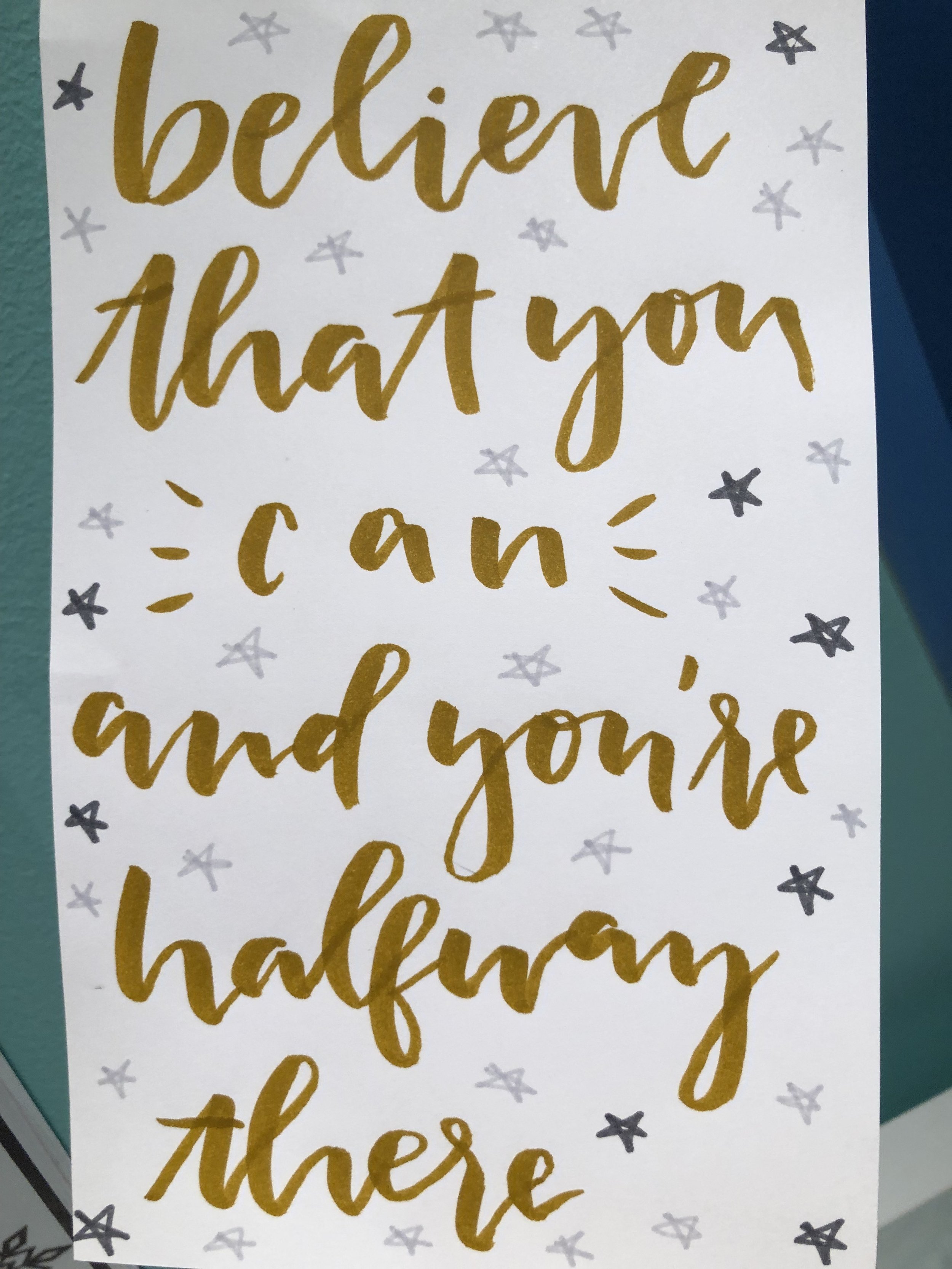
This is such an important reminder for any difficult journey!
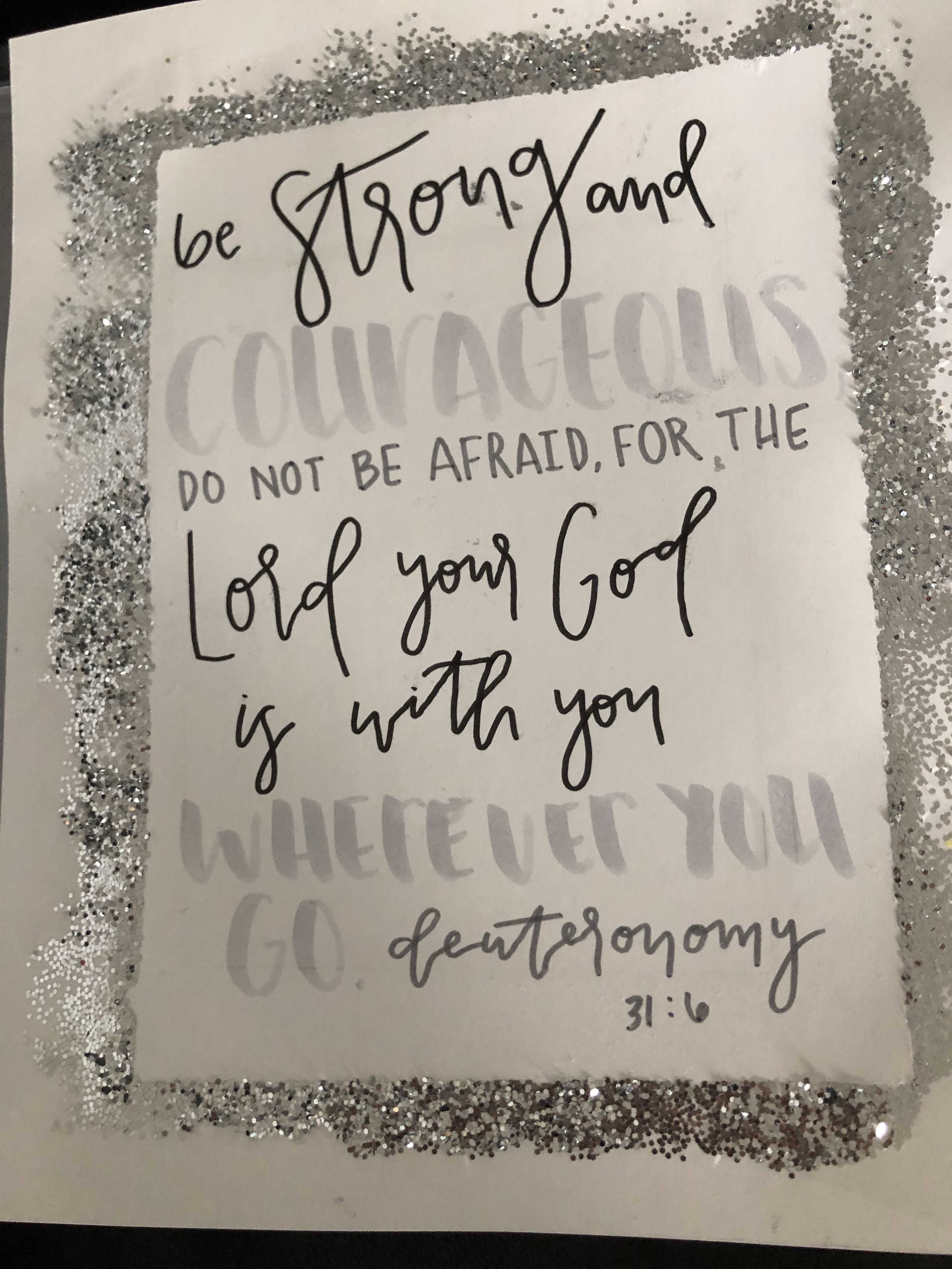
Hannah knew this verse was special to me.
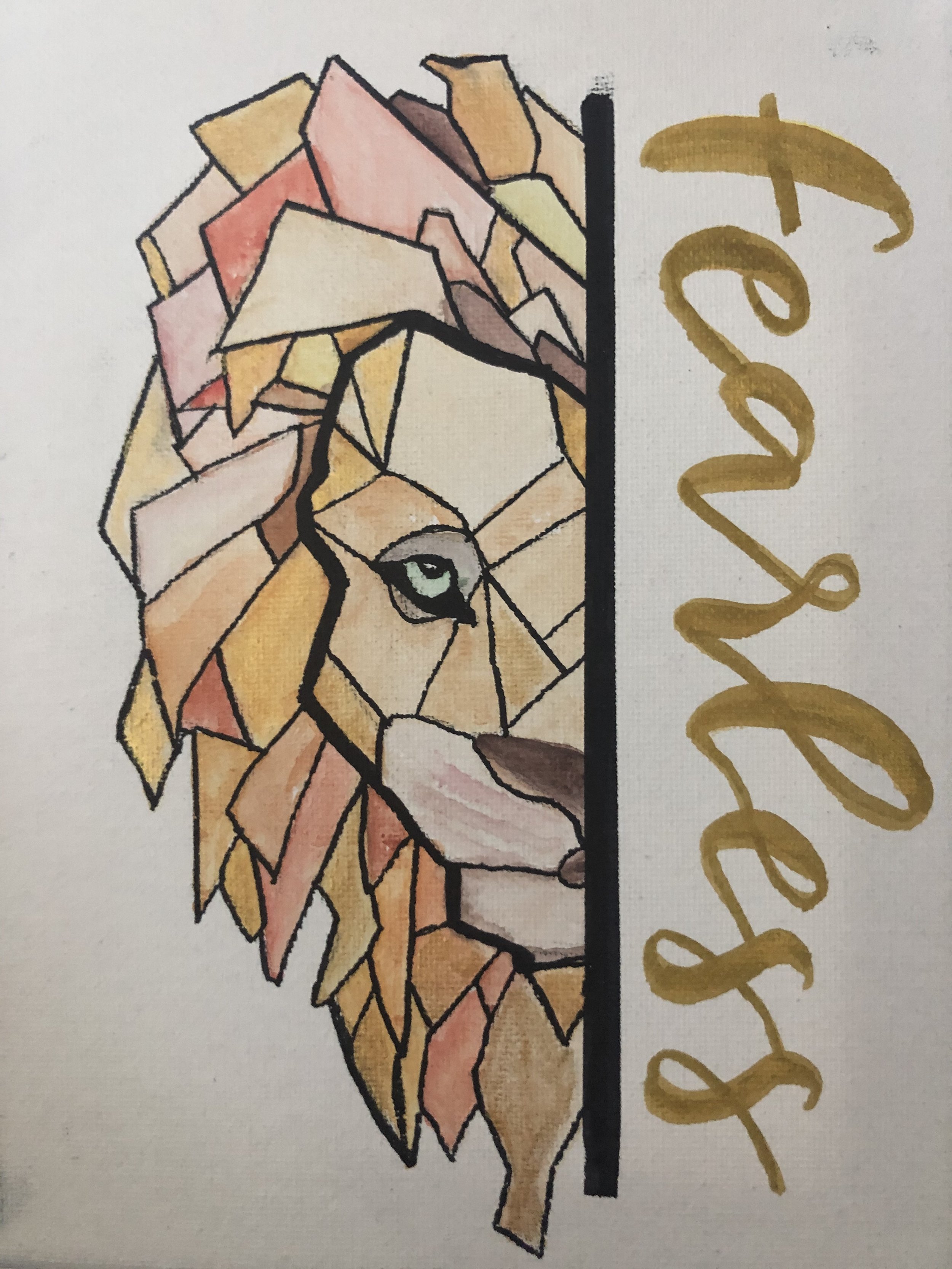
I pictured the Lord as a lion by my side.
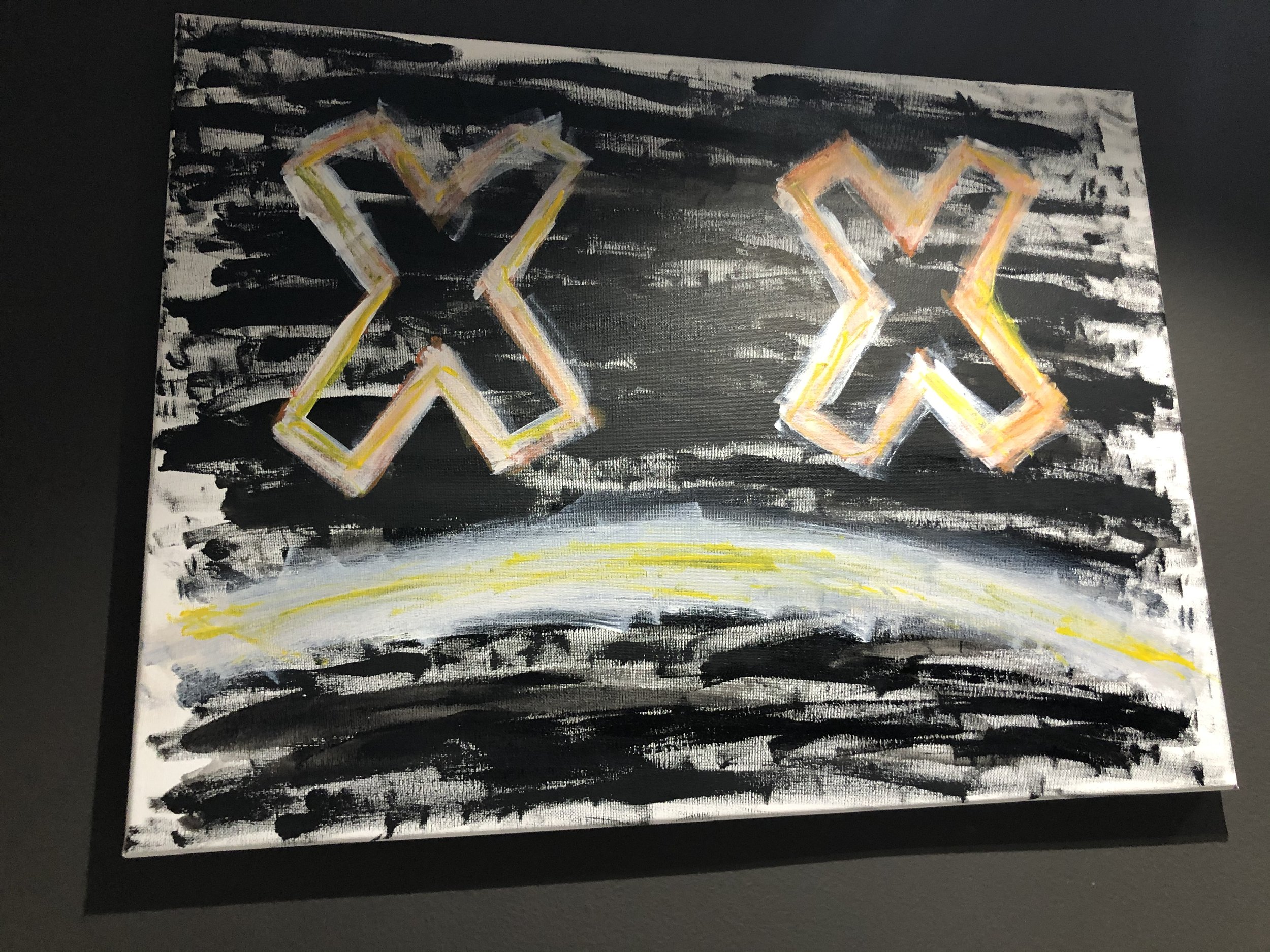
Max painted this for me and said, "Mom, do you see the sad face?"